
Author: Sanjib Mitra

  • Bengal & The Divine Feminine

    Bengal & The Divine Feminine

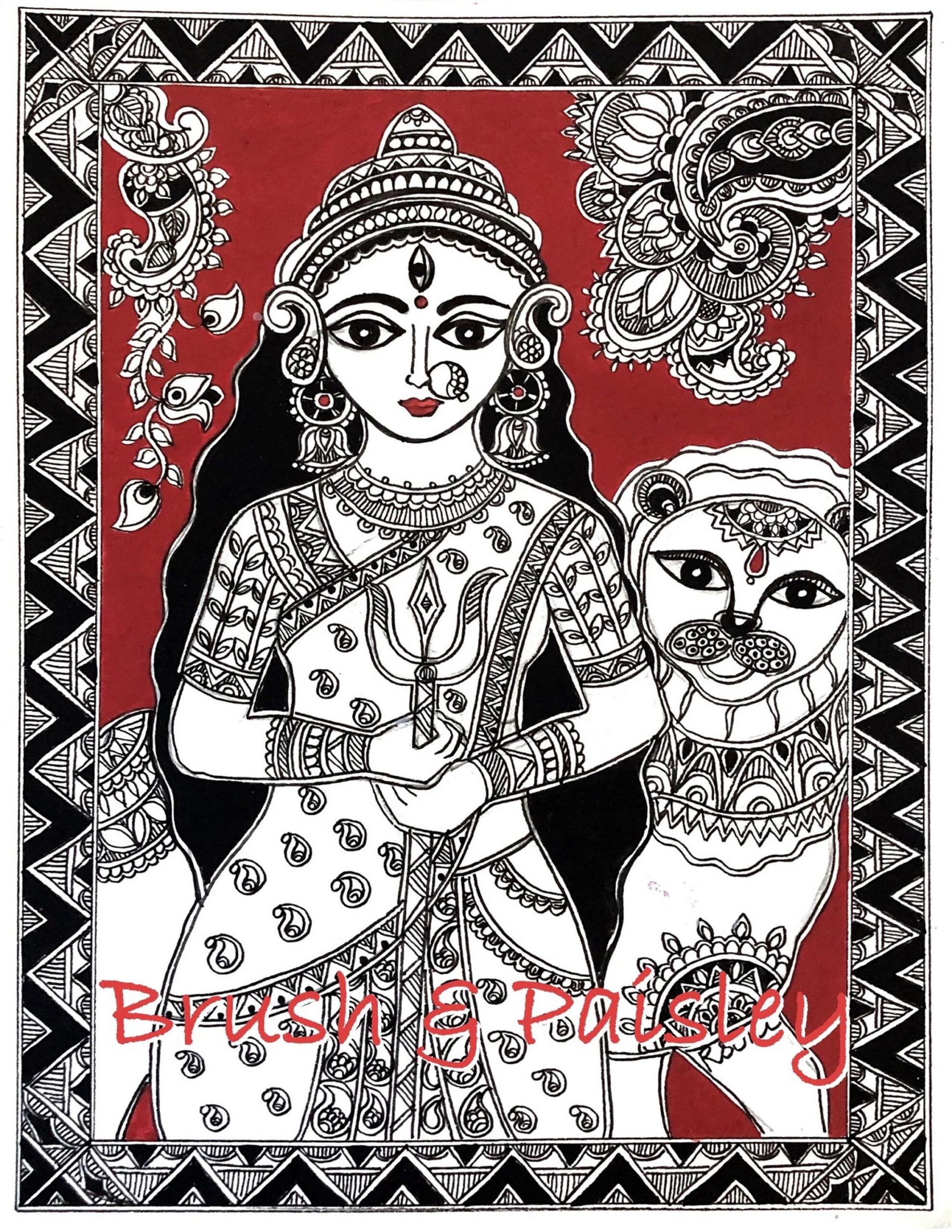
    In Bengal, the Devi is not just worshipped—she is lived. Every year, as autumn paints the skies with soft gold and the air fills with the scent of shiuli flowers, Bengal prepares for what can only be described as a collective heartbeat: Durga Puja.

    But the worship of the Devi here runs deeper than ritual. It’s not only about idols or offerings—it’s about identity. To be Bengali is to feel the pulse of the feminine divine in everyday life. Durga, Kali, Saraswati, Lakshmi—each goddess represents not just spiritual power but aspects of human experience. Durga is courage, Kali is transformation, Saraswati is wisdom, and Lakshmi is grace. Together, they mirror the inner landscape of Bengal’s people—fierce, creative, enduring.

    Durga Puja, in particular, is both celebration and revolution. She is the mother who returns home, the destroyer of evil, and the embodiment of shakti—the cosmic energy that sustains the universe. But she is also the everywoman—the homemaker, the student, the fighter, the artist. Her arrival transforms the city: bamboo scaffolds become temples, neighborhoods turn into families, and devotion spills from prayer halls into the streets.

    The festival carries a social heartbeat too. Historically, Durga Puja evolved from the private worship of the wealthy to a public celebration that broke barriers—class, caste, gender. It became Bengal’s great equalizer, where divinity belonged to all.

    Even outside the Puja season, Bengal’s relationship with the Devi remains intimate. In small clay shrines and grand temples alike, her presence is constant. She is both protector and provocateur—a symbol of power that is nurturing yet unyielding. In her gaze, Bengalis find not submission, but strength.

    To worship the Devi here is not to kneel—it’s to rise. It’s a declaration that the divine is not distant, but alive in human courage, creativity, and compassion. That’s the secret heartbeat of Bengal: a land where goddesses aren’t only adored—they are become.
  • A Personal Guide to Kolkata

    A Personal Guide to Kolkata

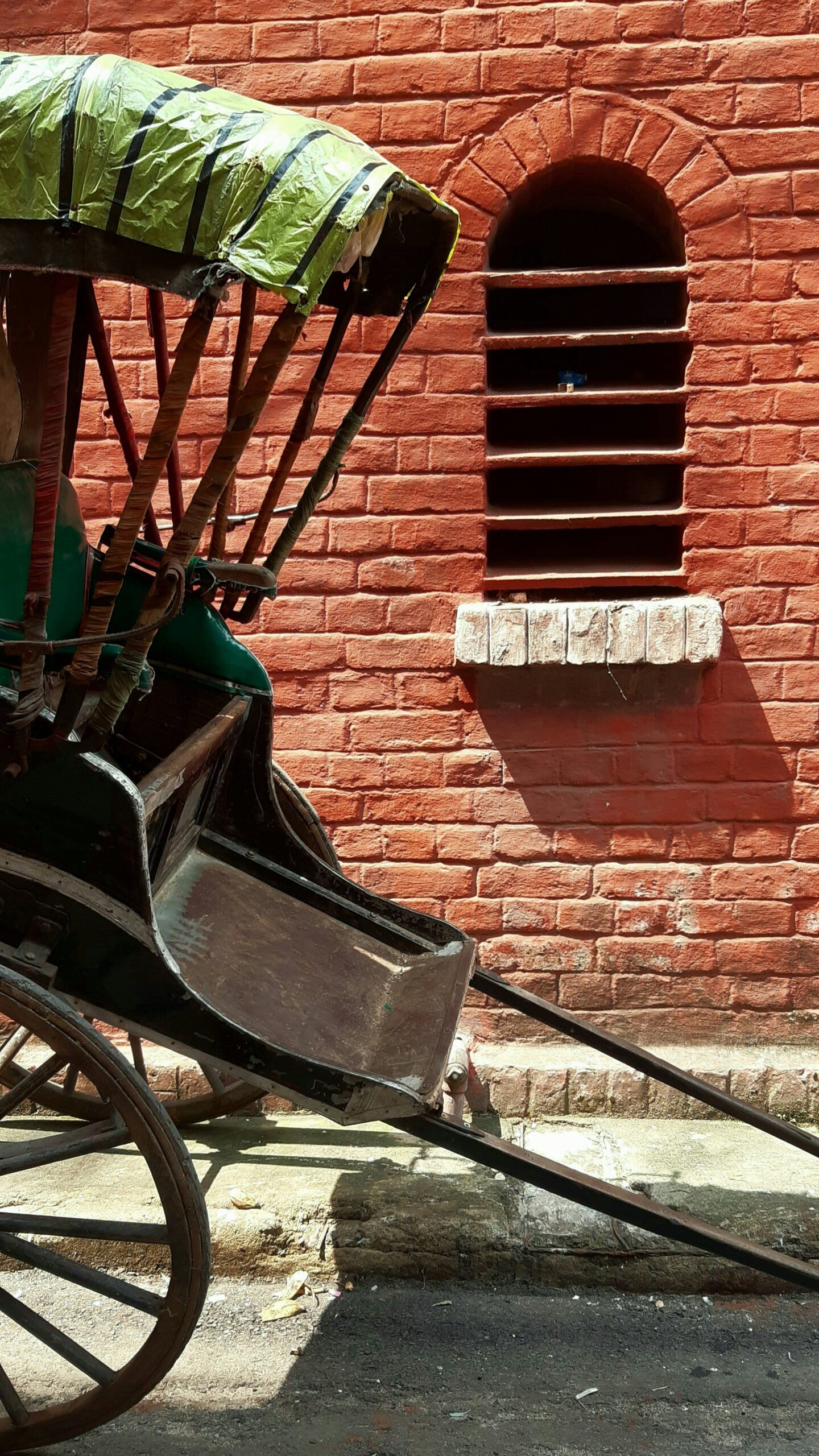
    Kolkata isn’t a city you simply visit, it’s one you slowly inherit. Every corner hums with a story, every aroma carries a century of memory, and every tram ride feels like a gentle conversation with time itself.

    I first realized Kolkata’s peculiar charm not while standing before the Victoria Memorial or crossing the iconic Howrah Bridge, but while sipping cha from a clay bhar in a crowded alley near College Street. The air was thick with the scent of old books and fried telebhaja, the street alive with the debate of poets, professors, and dreamers. That’s Kolkata—where even an afternoon snack feels like a scene from a novel.

    The city wears its heritage not as a museum piece, but as living texture. From the colonial-era architecture of Dalhousie Square to the artistic chaos of Kumartuli, where clay gods are sculpted with reverence and precision, Kolkata’s past continuously shapes its present. Walk through North Kolkata’s narrow lanes and you’ll find crumbling mansions beside buzzing cafes; old money and young ideas sharing the same breath.

    And then there’s the food. Kolkata’s cuisine isn’t about indulgence—it’s about emotion. From the delicate sweetness of rosogolla to the fiery kick of prawn malaikari, every bite is a story of migration, adaptation, and memory. For me, breakfast at Flury’s feels like colonial nostalgia, while a plate of puchka from a street vendor feels like rebellion; messy, joyful, unapologetic.

    But what truly defines Kolkata is its rhythm. The city doesn’t rush; it reflects. It invites you to linger; to talk to strangers, to watch the rain blur the yellow taxis, to let the sound of Rabindra Sangeet spill from an open window.

    Kolkata is less a destination and more an experience in empathy;a reminder that heritage, culture, and flavor aren’t separate ingredients, but a single, simmering essence that keeps evolving, one story at a time.